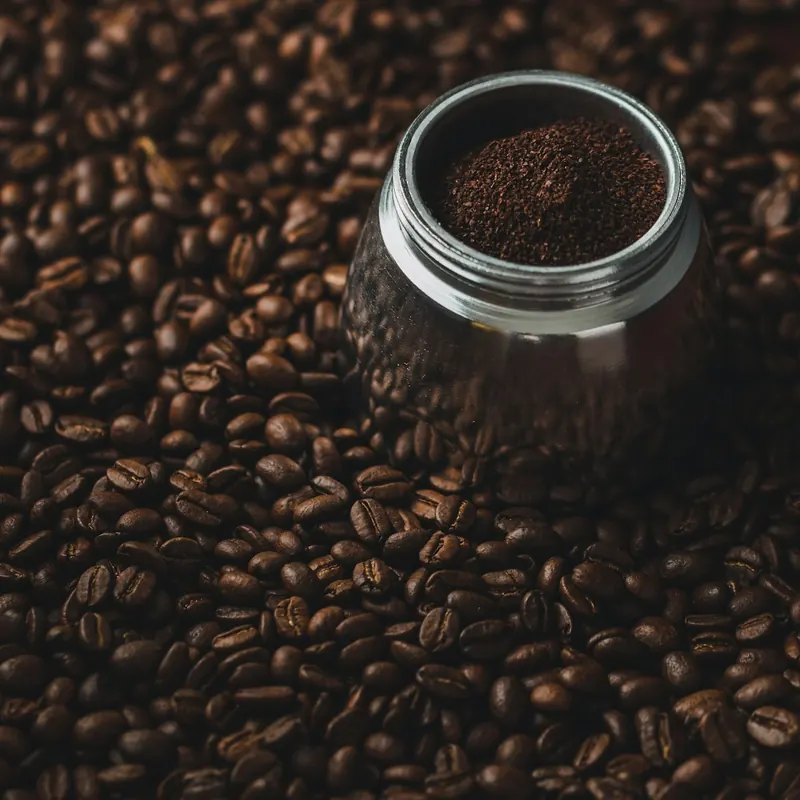
Single-estate Arabica
Estate Cappuccino
Floral, crisp citrus, fresh berries.
Cupping & sensory profile- Roast
- Medium roast
- Best for
- Cappuccinos and pour-over
- Size
- 1 lb bag
$27 / 1 lb bag
Heritage,
roasted.
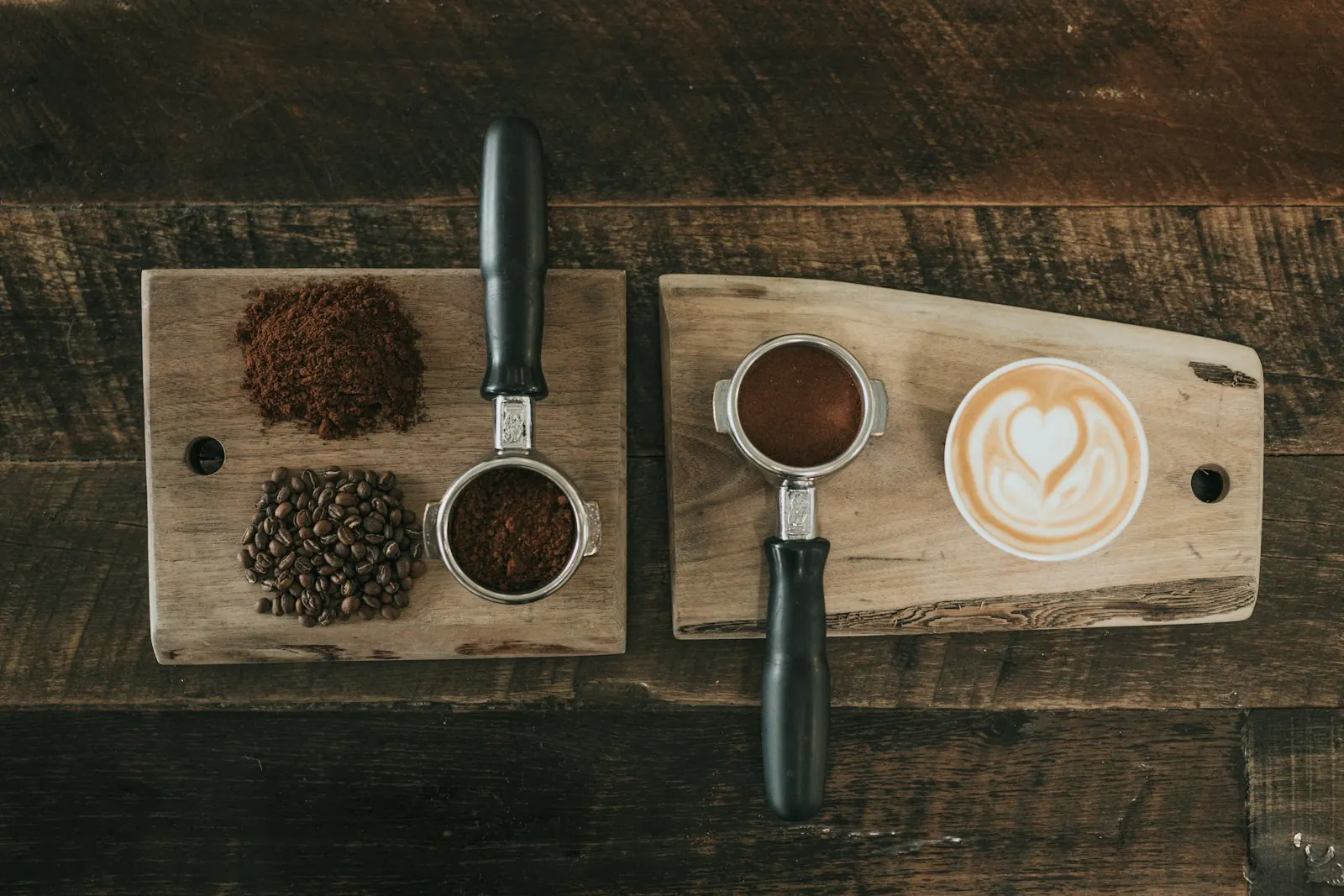
Specialty coffee
Grown on our farm. Sent from our family to yours.
Single-estate Arabica
Floral, crisp citrus, fresh berries.
Cupping & sensory profile$27 / 1 lb bag
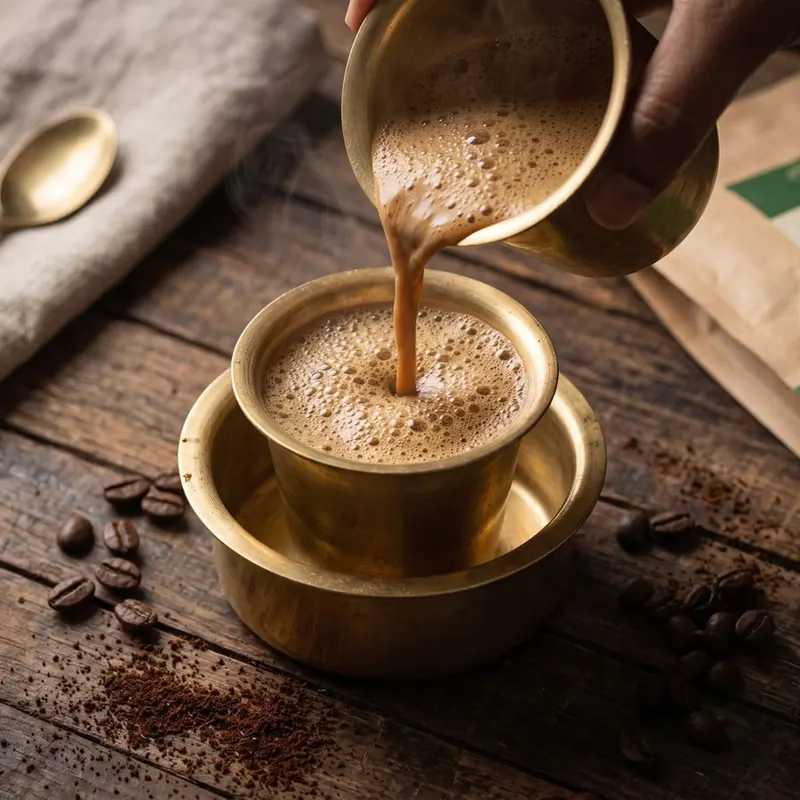
South Indian filter coffee
Dark cocoa, roasted hazelnut, caramel, chicory.
Cupping & sensory profile$23 / 1 lb bag
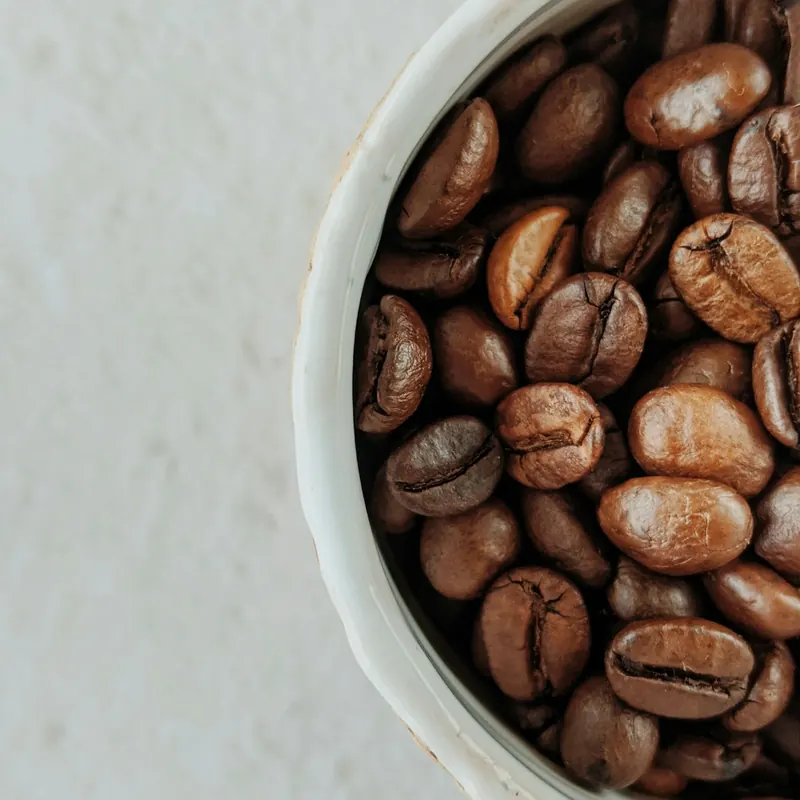
Ultra-premium single-origin espresso
Dark chocolate, citrus, roasted nuts.
Cupping & sensory profile$28 / 1 lb bag
3-bag sampler
The Kenjige Sampler: one 1 lb bag each of Estate Cappuccino, Granny's Filter Coffee and Baba Budan Espresso.
$70
Save $8 on three bags
Why specialty coffee
Specialty coffee is the top grade of coffee, judged on how it's grown, picked and sorted, and on how it tastes. Our coffees are grown, picked and roasted by our family. Here's what sets specialty coffee apart, and why it costs a little more.
Pickers return to the same plants again and again, collecting only ripe cherries. It's laborious work that needs skilled hands to pick each cherry.
Unripe and defective beans are sorted out, so each harvest gives less coffee that's good enough to sell.
Coffee grown under shade trees ripens slowly and builds more flavor, but each plant produces less.
Everyday coffee is priced by a global market that ignores quality, often below what it costs to grow. Specialty prices pay for the care in every bag, and with us that goes straight to the family that grows it.
Cupping & sensory profiles
How each of our coffees smells, tastes and finishes.
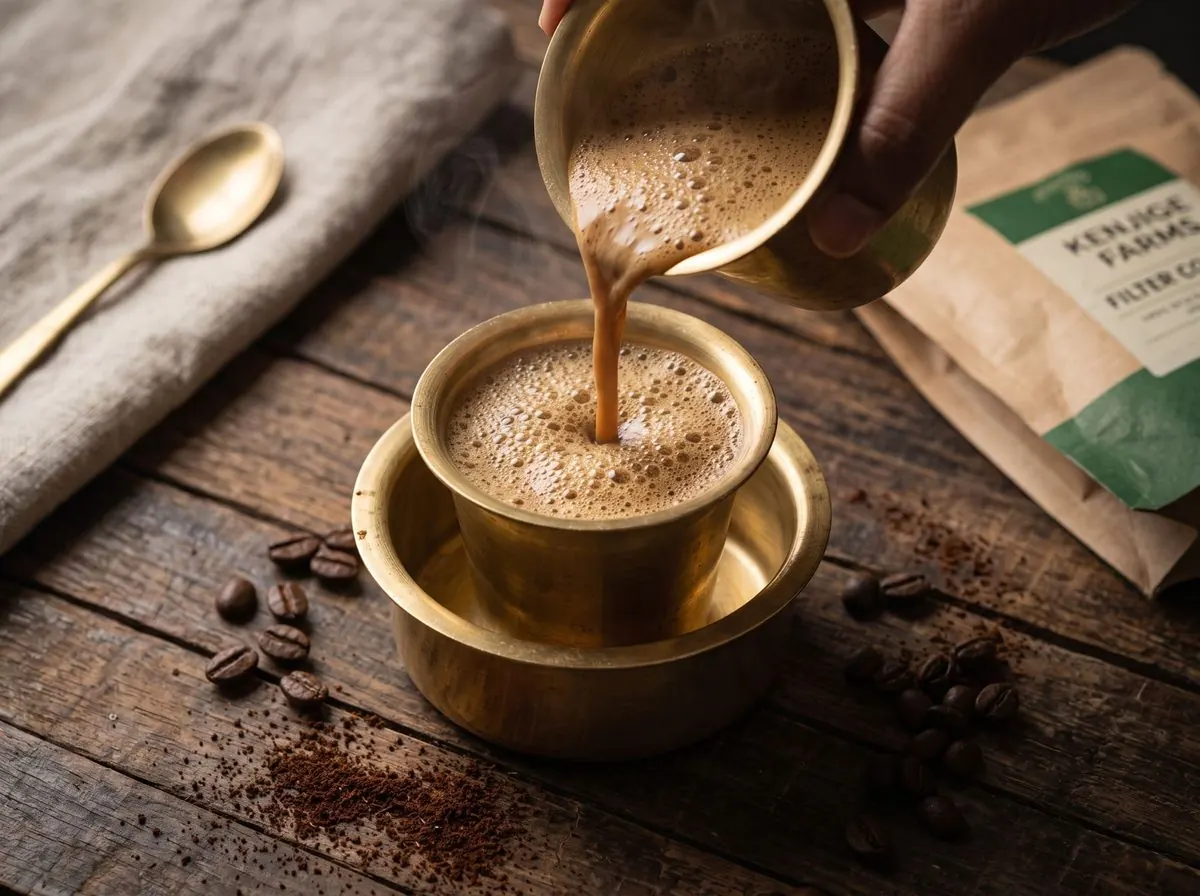
$23 / 1 lb bag
All you need is a South Indian coffee filter, hot milk, and a dabara and tumbler, or any cup.
Fill the filter.
Add two to three tablespoons of ground coffee to the top chamber and rest the press disc on it.
Let it drip.
Pour in water just off the boil, cover, and let the decoction drip through slowly, about 10 to 15 minutes.
Add hot milk.
Mix about one part decoction with three parts hot milk. Sweeten to taste.
Pour and froth.
Pour between the dabara and tumbler from a height until it's frothy and just cool enough to sip.
Good to know
Tap Order on any coffee and leave your name and phone number or email. We'll get in touch to confirm your order and delivery. You can also write to us at kenjigefarms@gmail.com.
Yes. Mention it when we get in touch to confirm your order, and we'll arrange regular deliveries with you.
Anywhere in the United States. In Dallas–Fort Worth you can also pick up in Frisco or get local delivery. Pickup and delivery in DFW
It's judged on quality. Specialty coffee scores 80 or more out of 100 when tasted by trained cuppers, and is hand-picked and sorted with care. See how it compares
Every bean comes from one region. Ours are grown on our family's farm and our extended family's farms in Chikkamagaluru, India, so what's in your cup tastes of where it was grown.
A strong coffee decoction brewed slowly in a two-part metal filter, mixed with hot milk and a little sugar, then frothed by pouring between a dabara and tumbler. Our blend is made with coffee and chicory: specialty beans from our farm with a little chicory, which gives it a thicker body and a gentle bitterness. See how to make it
In an airtight container in a cool, dark cupboard, away from heat, light and moisture. Skip the fridge: it adds moisture and picks up odors. Coffee tastes best within a few weeks of opening.
The estate
For over eight decades, the Kenjige family has tended the misty slopes of the Western Ghats. Our home is more than a vintage bungalow; it is the heartbeat of a legacy. We don't just source coffee. We nurture it from seed to cup on our family estate in Kenjige village.
Shade-grown, hand-picked, and masterfully roasted using secrets passed down through three generations. Brought directly from our estate in India to the United States.
Where Indian coffee began
Local legend says coffee came to India through these very hills.
In the 1600s, the Sufi saint Baba Budan is said to have carried seven coffee seeds home from Yemen and planted them in the hills of Chikkamagaluru that now bear his name. Our family has grown coffee in the same district for three generations.
Kenjige Farms
Origin
From the estate to the pitch
Nosthush Kenjige is a professional cricketer who represents the USA and plays for MI New York and MI Emirates. He is also the third generation of a coffee-growing family from Chikkamagaluru. Kenjige Farms coffee is made for the same kind of days: early starts, long sessions, and the quiet ritual of a good cup before it all begins.
A strong, smooth cup for the first session of the day.
Low-acidity roasts made for cup after cup.
Three generations of patience, from seed to cup.
About us
I
The foundation
Kenjige Farms began in the hills of Chikkamagaluru, where our grandmother laid the foundation for the Kenjige properties and a family legacy rooted in the land.
II
The pioneer
Her son, our father, carried that vision forward — a pioneer whose passion and hard work shaped Kenjige Estate and made coffee a part of our family’s way of life.
III
The third generation
Today, the third generation, Nosthush Kenjige, carries that legacy from Chikkamagaluru to the United States — sharing the coffee, tradition and story of our family with a new generation.
From our estate to your cup.
